Post-operative instructions will be provided after your surgery. This information will help ensure a swift and successful recovery, with helpful tips designed to reduce the risk of complications. As you will see below, our team has included important information about what you can expect to experience in the hours, days, and weeks following your procedure. If you develop any issues or have questions about the post-recovery process, contact Dr. Williams.
Post-Operative Instructions
In your post-op bag that we are sending home with you, you have written instructions, extra gauze (which I will show you how to change in a moment), and your prescriptions form. On the outside of the bag there is a sticker with pertinent information, along with Dr. Williams’s contact number and his website that has helpful videos, how to’s, and post-op instructions as well.
-
Your prescriptions are for (Penicillin or Azithromycin/Z-Pak, typically), which you will want to start at the time indicated on the outside of your post-op bag. Make sure you take (there is one refill on the antibiotic, if needed). You have been given two medicines already, either through the IV or by injection. One is a steroid to reduce inflammation, and one is an NSAID, which is an anti-inflammatory—both of which will reduce the potential of swelling. Because you have been given these medications already, you will not need to take any medicines for pain for six hours (the time will be written on the sticker on the outside of your post-op bag). At the time indicated, you will begin taking your prescription. Do not alternate these medications. Tylenol Extra Strength is an over-the-counter medication, and it comes in 500mg tablets, so you will need to take one. You will repeat this dosage combo. After three days, take as needed/if needed. This dosage regimen is typically all you will need to take care of your discomfort. There is also a prescription for a medicated mouth rinse, 24 hours after surgery. Use this rinse AFTER you have eaten and brushed your teeth in the morning and the last thing before bed every night. In addition to PERIDEX, rinse with warm salt water beginning the day after surgery every time you have a meal or snack. It is also a good idea to rinse after you drink anything other than water. (No vigorous rinsing/swishing/spitting) by rocking your head back and forth and letting it fall out of your mouth while leaning over the sink. Beginning on the third day after your surgery day, rinse vigorously every time you eat or drink. Continue vigorous rinsing until sockets heal.
-
Discomfort is directly related to swelling. If we can keep you from swelling, or limit the amount of swelling that you have, we can keep you comfortable. Once you get home, you will want to use ice packs by placing on the outside of both cheeks throughout the day as much as possible. (Ice in Ziplock baggies, with a thin cloth wrapped around it, works great if you do not have ice packs.) If you do not ice today, you have the increased potential for swelling. Ice is not indicated after 24 hours.
-
At that point, you have pretty much stopped bleeding and can leave the gauze out. You want to keep on the gauze; the harder you bite, the faster you will stop bleeding. If you continuously change the gauze and it is red and saturated, this is an indication that you are not biting hard enough on the gauze and/or the gauze is not properly placed over the sockets. Replace the gauze, if necessary. DO NOT SLEEP WITH GAUZE IN YOUR MOUTH as doing so would present a choking hazard.
-
No drinking through a straw, sucking on water/sports bottles or juice boxes, no chewing gum/mints/suckers, and no smoking or vaping.
-
Brush your teeth as you normally would, including your back teeth. Tenderness and slight bleeding are to be expected. The cleaner you keep your mouth, the faster you will heal. Any food debris, plaque, or bacteria in the mouth delays healing and increases the potential for swelling, infection, or dry socket. After you brush your teeth, you can put water in your mouth, rinse by shaking your head from side-to-side, and lean head over the sink, letting water fall out into the sink with regular water, warm salt water, or medicated mouth rinse to make sure that sockets stay clean.
-
Depending on your metabolism, you could be numb anywhere from 8-24 hours.
-
As far as your diet, stay with just broth, yogurt, pudding, milkshakes thick enough to eat with a spoon, protein drinks, and ice cream. It is important to keep up your calorie intake, as your body needs the calories to heal. Also, it is important to stay hydrated. Do not eat anything hard, crunchy, or chewy. Gradually start adding more solid foods into your diet after a week or so.
-
As far as returning to school, you will miss the remainder of today and probably tomorrow (play it by ear). You will want to refrain from sports activities or marching band for 3 days. If you play a wind instrument, please refrain from doing so for 1-2 weeks.
-
You should rest for the first 24-48 hours. Patients who have had sedation should refrain from driving an automobile or from engaging in any task that requires alertness for the next 24 hours.
What to Expect
Below are some of the common side effects you can expect after tooth extraction or wisdom tooth removal:
-
Some minor bleeding or oozing may be likely for 12-24 hours.
-
It is normal to experience swelling following your procedure. Peak swelling is usually on days 2 and 3, but it will start to dissipate by day 5 after your surgery.
-
Discomfort in the few hours after your procedure is normal, especially as the anesthesia and sedation wear off. Although it may continue for the next 2-3 days, it will start to disappear soon after.
What Are Dry Sockets?
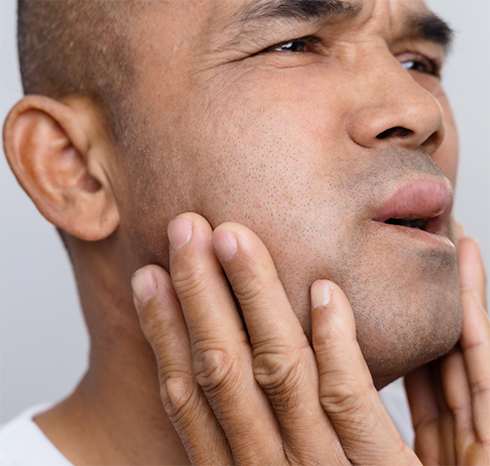
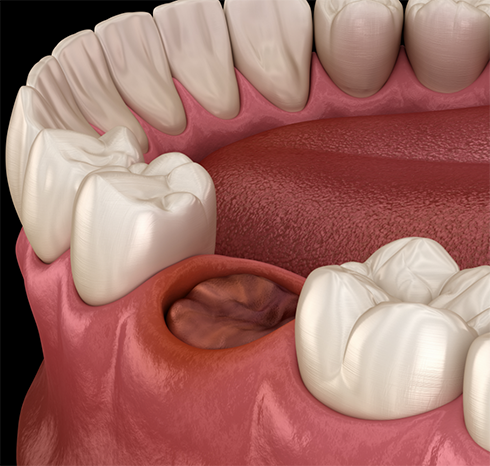
A dry socket is an uncomfortable side effect that can occur after an extraction. It can occur anywhere from 24-72 hours after a procedure and is usually associated with throbbing pain near the socket that can radiate to the ear or jaw. To reduce the discomfort you experience, you will need to take prescription pain medication. If this is sufficient, you will not require additional care from Dr. Williams. However, if the pain persists, he will determine the best course of treatment for the dry socket, which usually requires a medicated dressing.
Preventing Dry Sockets
To avoid a dry socket after wisdom tooth extraction, you will need to:
-
Stick to a liquid or mushy diet in the few weeks following your procedure.
-
Avoid physical activity for at least one week after surgery.
-
Follow the post-operative instructions provided by Dr. Williams.
-
Keep up with your oral hygiene routine, but avoid vigorous brushing and rinsing.
-
Do not drink alcoholic beverages and avoid sipping from straws.
-
Do not smoke or use any tobacco products until you are properly healed.
When to Contact the Doctor
Do not wait to seek professional help if you notice any of the following:
-
Excessive bleeding cannot be controlled with clean gauze at home.
-
Your discomfort persists and does not let up.
-
Swelling is increasing after 60 hours post-surgery.
-
You are having an allergic reaction to the medication, which can cause a rash or itching.
-
If you lose consciousness, someone should call 911 right away.